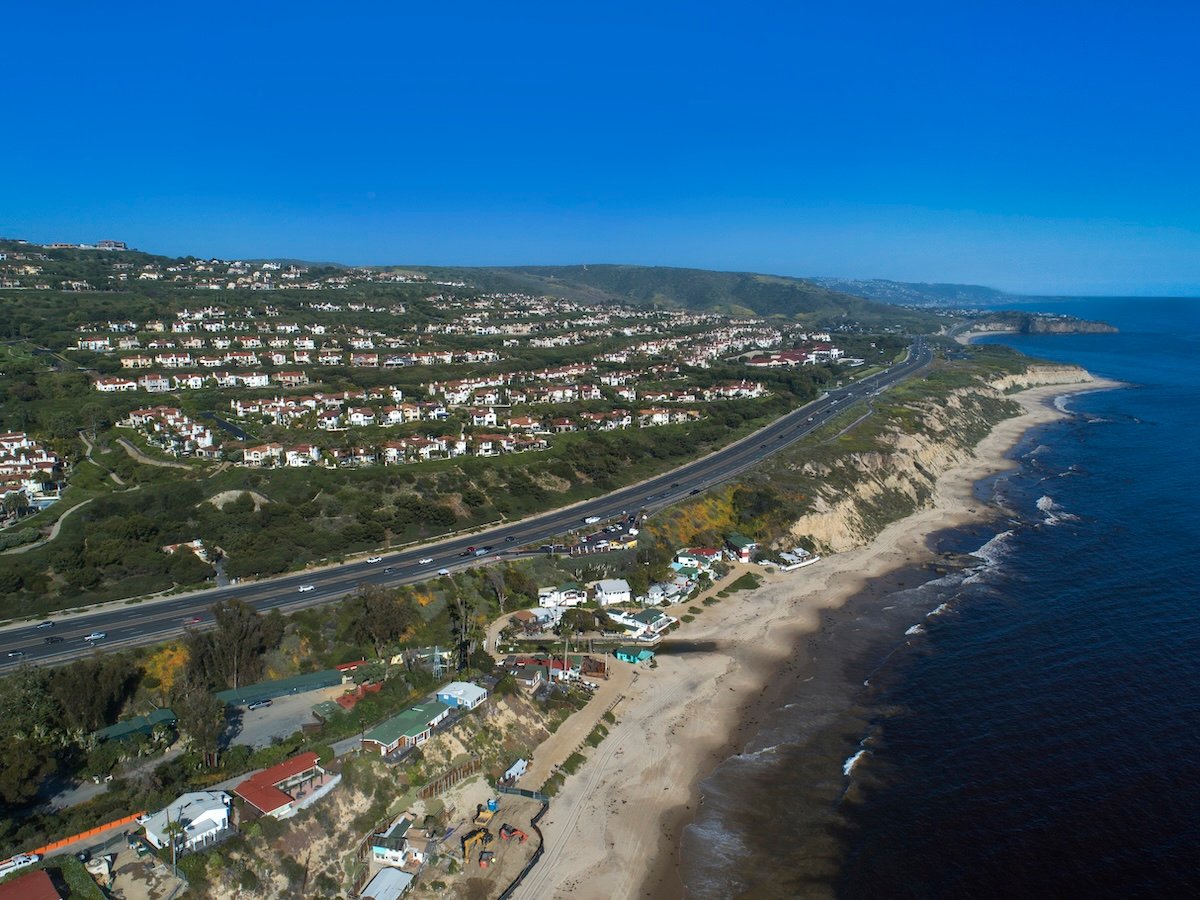
A tractor doesn't usually end up in the ocean. But in mid-June, a Bobcat parked near the beach at Crystal Cove State Park did exactly that, stranded first by rising water and collapsing sand, then pulled under as the surf kept coming. A lifeguard tower went with it, toppled by waves that state park staff and the Crystal Cove Conservancy later described as the kind of event that reshapes a coastline in days rather than decades.
If you live in St. Laurent, you didn't need a news alert to know something had happened. Crystal Cove is the beach at the bottom of the hill, the place where a Tuesday afternoon walk turns into a stop at the Beachcomber Café or a wander through the historic cottages. So when the historic south swell hit in mid-June, pushing tides over seven feet and combining with unusually large surf, the damage wasn't abstract. It happened at your beach.
Eleven weeks later, the interesting part isn't that a storm did damage. It's which parts of Crystal Cove it damaged, and which parts it left alone.
The Water Picked Its Targets
The swell didn't hit Crystal Cove evenly. The Historic District, that cluster of vintage cottages built in the 1930s and 40s around the mouth of Los Trancos Creek, took the worst of it. Reporting from the storm described tides reaching as high as the Beachcomber restaurant itself, with chunks of a historic seawall pulled out from beneath one of the cottages and another cabin nearly flooded outright.
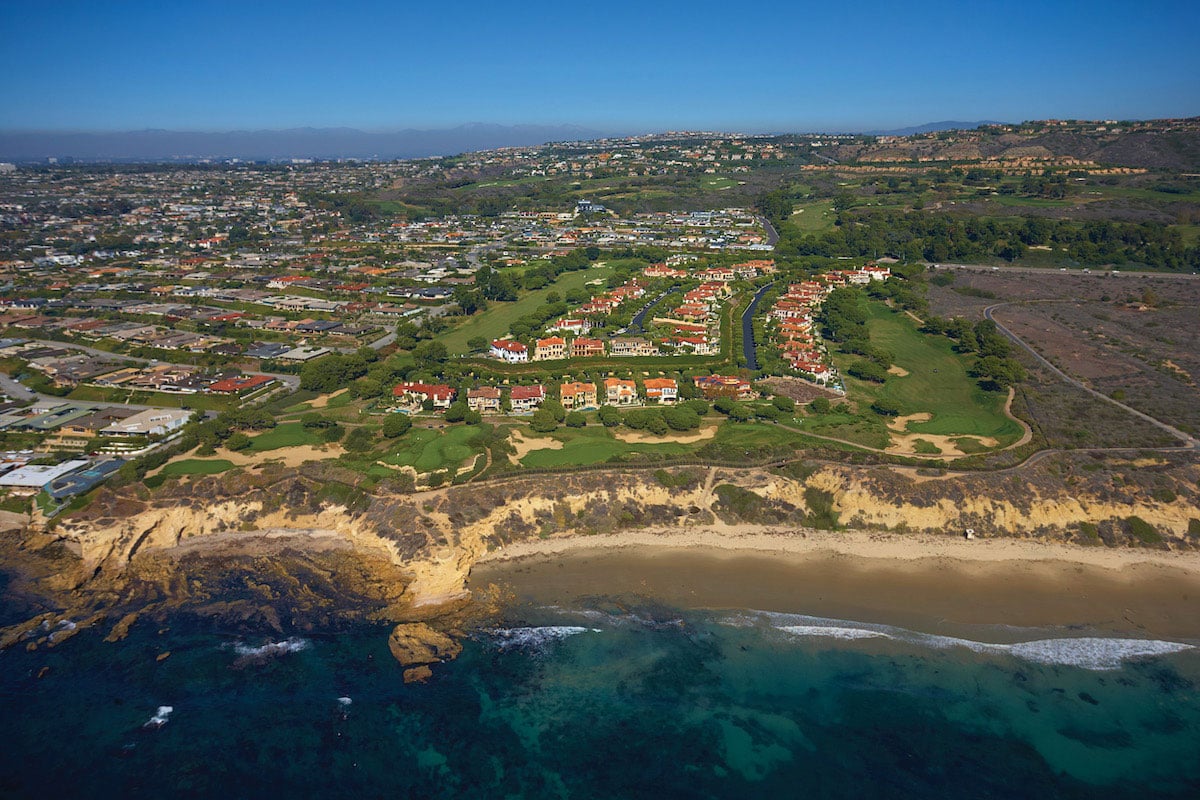
Up on the bluff above Pacific Coast Highway, the Crystal Cove Shake Shack didn't have the same story to tell. It sits on the cliff, not the sand, and the geography that makes it a good spot for a burger with an ocean view is the same geography that kept it dry while the beach below took a beating.
Jake Beckley, a Crystal Cove lifeguard of six years, put it plainly after the event.
"We've lost pretty much the entire beach at certain points."
That's not hyperbole about a bad day at work. It's a description of what happens when a district built at sea level meets a swell that state park officials called historic for the region. Longtime beachgoers who'd staked out the same patch of sand for decades came back to find their spot simply gone, replaced by rocks where there used to be room for kids to swim.
Engineers Called This One Years Ago
Here's the part that changes how you think about the Historic District. This wasn't the first time someone flagged the low cottages as vulnerable to exactly this kind of wave event. A coastal engineering study of the district had already recommended that eight of the oldest cottages be re-founded on pilings or otherwise reinforced, specifically to reduce losses from the kind of 10- to 20-year wave storm the June swell resembled. The same study also noted that even reinforced structures might not survive an extreme event outside that range.
That study predates the current construction, but it's worth knowing because the scope of the ongoing North Beach Restoration Project includes exactly the kind of infrastructure replacement those engineers were pointing toward: new utilities, rehabilitated foundations, and site work across the remaining cottages in that stretch of the district. The storm didn't invent a risk. It arrived in the middle of a multi-year effort to address one that was already documented.
That's the useful takeaway for anyone who treats Crystal Cove as a regular part of their week rather than a postcard. The beachfront cottages and the Beachcomber sit in the zone the ocean is actively reclaiming. The Shake Shack and the bluff trails don't. Plan accordingly.
Where the $55 Million Restoration Stands as Summer Ends
The North Beach Restoration Project has been unfolding in phases, and by this point in 2026 you can actually track its progress by cottage name rather than vague promises.
- The first eight restored cottages went up for online booking in November 2023: Shell Crafter's Cottage, Teacher's Retreat, Flotsam and Jetsam, Captain's Quarters, the Hawaiian Bungalow, Little Grass Shack, Rustic Retreat, and North Beach Tower.
- Four more opened for year-end stays in December 2024: Carpenter's Castle, Crow's Nest, Grunion Run, and Board and Batten.
- The full project, covering seventeen cottages in total, has been on track for completion this year, a milestone that would double the district's overnight capacity to roughly 48,000 stays annually.
That last number matters more than it sounds like it should. Crystal Cove's cottages have run close to full occupancy for years. Doubling capacity doesn't just add rooms, it changes how competitive it is to book a night in a place most people who live nearby have never actually slept in, despite driving past it every week.
The $55 million project drew funding from Bank of America's Federal Historic Rehabilitation Tax Credits, more than $30 million in state funding secured with help from Assemblymember Cottie Petrie-Norris, and contributions from the David and Lucile Packard Foundation along with individual donors. It's a rare case of a neighborhood amenity getting rebuilt in public view, cottage by named cottage, while the ocean tests the same ground it's built on.
The Ocean Took the Beach. The Canyons Didn't Notice.
If your instinct after a storm like this is to avoid Crystal Cove altogether, that instinct is only half right. The damage was concentrated at the waterline and in the Historic District. The inland side of the park, the canyons and ridgelines that make up most of Crystal Cove's 2,400 acres of backcountry, wasn't part of that story at all.
For a resident deciding where to walk this week, that split is useful:
- The Blufftop Multiuse Trail, a paved 2.5-mile stretch along the bluff tops, is unaffected by beach conditions and works for anyone who wants an easy walk or bike ride with an ocean view rather than sand underfoot.
- The Reef Point and Crystal Cove Trail, a 5.2-mile route with about 275 feet of elevation gain, drops down toward the beach at points, so it's worth checking tide tables before you commit to the lower sections.
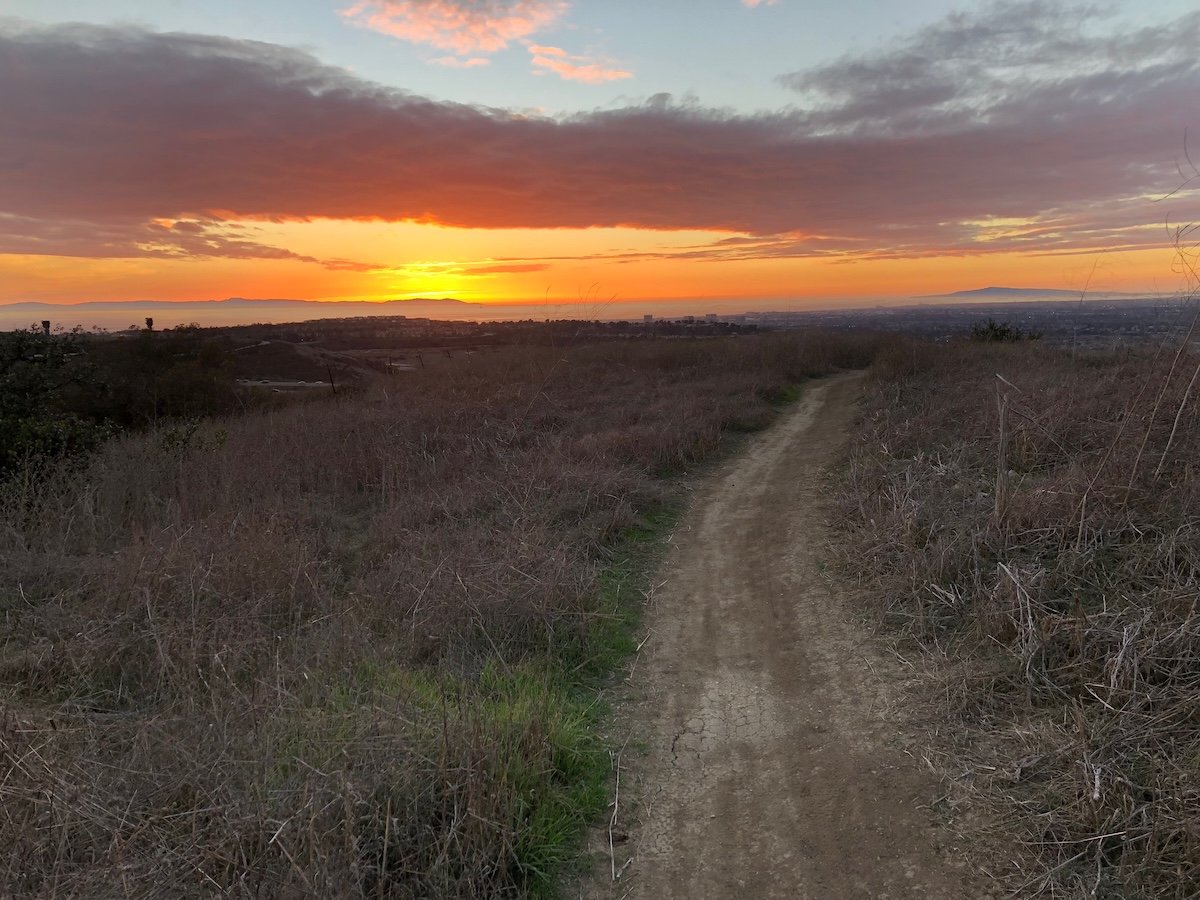
- El Moro Canyon Loop, roughly 5 miles with a climb of more than 800 feet to the ridgeline, sits entirely inland and delivers some of the better coastline views in the park without any exposure to beach erosion.
Dogs are welcome on a leash on the paved Coastal Bluff Trail, though not on the sand or in the backcountry. Class-1 e-bikes are allowed on the coastal side of the park from the Moro Canyon Area outward, but not on the inland trails north of Pacific Coast Highway. None of that changed because of the swell. It's just useful to know before you head out the door.
As for the Beachcomber, it's still serving breakfast from 7 to 11:30, lunch through the afternoon, and dinner into the evening, with the Bootlegger Bar open later on weekends. Parking at the Los Trancos lot runs from $5 up to $15 on weekdays for a three-hour stay, climbing to $20 on weekends and holidays, with a $1.50 shuttle to carry you the half mile down to the Historic District if you'd rather not walk the tunnel under the highway.
Crystal Cove Conservancy called the beach a living coast in the days after the swell, the kind of place where sand moves and shorelines shift as a matter of course. That's true, but it's also a little too tidy. The ocean didn't reshape Crystal Cove evenly. It found the oldest, lowest ground and took it first, while the bluff held and the canyons never noticed. If you're planning your next walk down the hill, that's the map worth carrying with you, not the postcard version.
For more dispatches like this from the neighborhoods we know best, or for a private conversation about property in St. Laurent and the surrounding Newport Coast enclaves, reach out to Jacqueline Thompson Group for a confidential market valuation or private consultation.