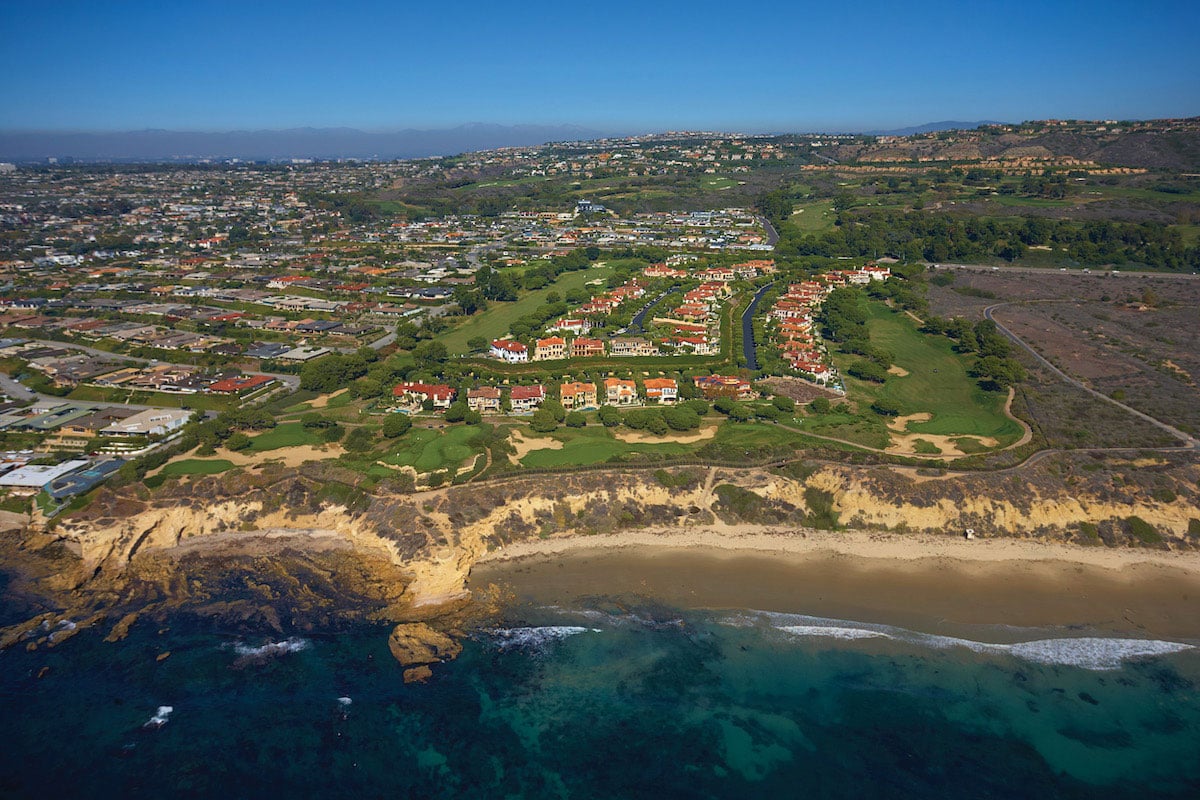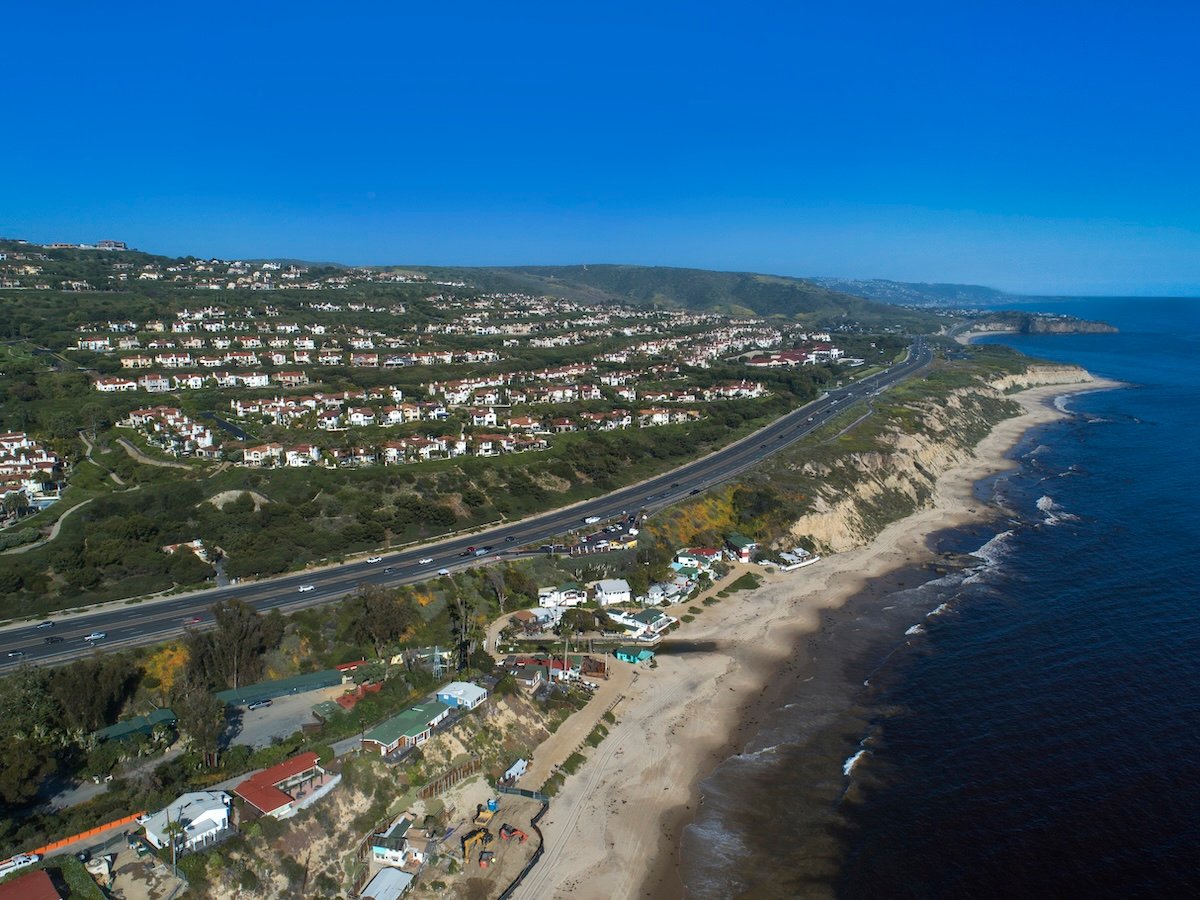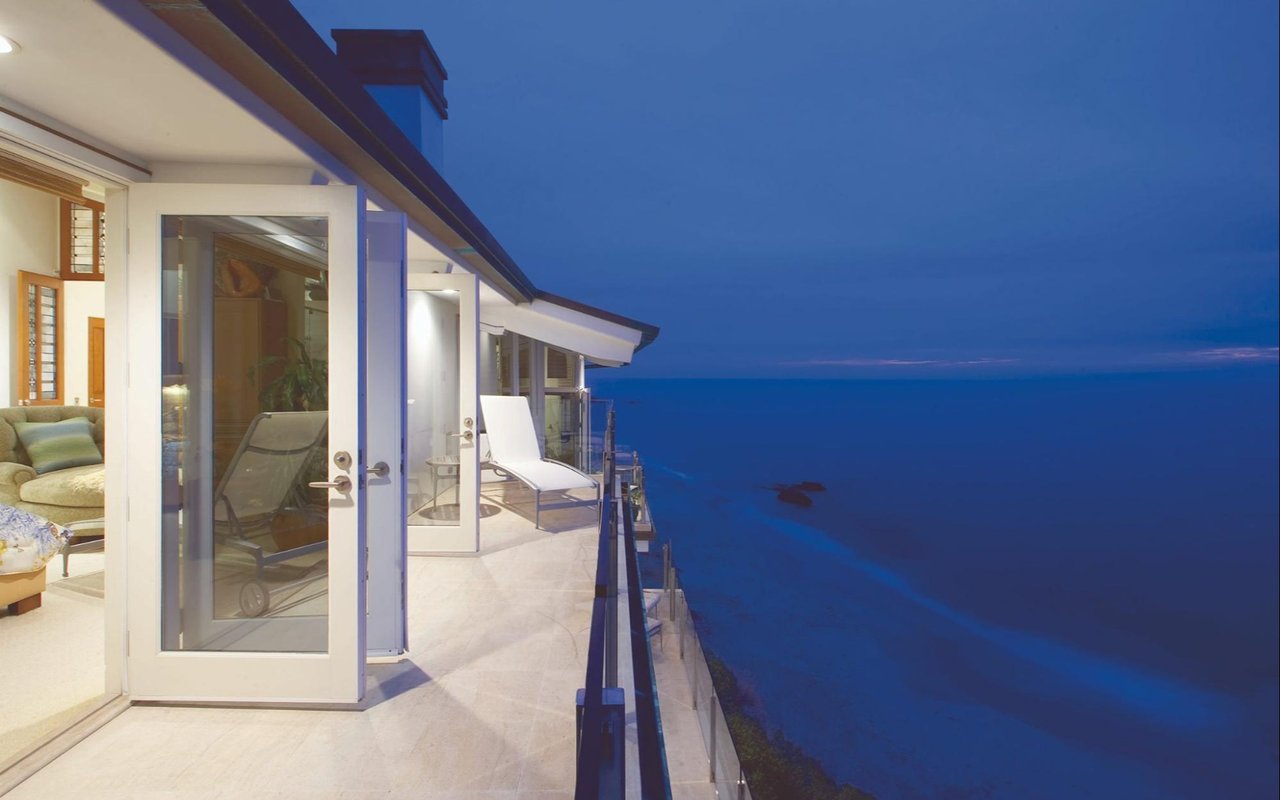
Every other blufftop lot in Laguna Beach answers to the same office when an owner wants to add a wing, replace a deck, or rebuild after storm damage: the city's Community Development Department. Irvine Cove does not work that way. A remodel here can bypass city hall entirely and land directly on the desk of the California Coastal Commission, the state agency that answers to Sacramento's calendar, not Laguna Beach's.
For a homeowner weighing when to list, or a buyer pricing in a future renovation before writing an offer, that distinction is not a footnote. It decides your timeline, your disclosure conversation, and in some cases your negotiating leverage.
Why Irvine Cove Skipped a Step Every Other Laguna Beach Neighborhood Took
In 1993, the California Coastal Commission certified Laguna Beach's Local Coastal Program, which is the mechanism that hands the city day-to-day authority to issue Coastal Development Permits. That certification is why a homeowner in Temple Hills or Top of the World gets a remodel reviewed by city planning staff rather than a state agency.
Three small pockets of the city were left outside that certification and still operate as what the city itself calls areas of deferred certification: Blue Lagoon, Irvine Cove, and Three Arch Bay. In those three places, the city's own Local Coastal Program page confirms that Coastal Development Permit review stays with the state Commission rather than passing to the city.
A single line of city zoning language decided, more than thirty years ago, that Irvine Cove would answer to a different authority than the rest of Laguna Beach. It has nothing to do with the homes themselves.
What Deferred Certification Actually Changes for an Owner
The practical difference shows up the moment a homeowner or a contractor tries to scope a project. Anything in Irvine Cove that qualifies as development under the Coastal Act, additions, grading, even fencing near a bluff edge, goes to Commission staff, not city planners. Layer the Irvine Cove Homeowners Association's own architectural design review on top of that, since exterior changes there require HOA sign-off regardless of who holds permit authority, and a straightforward addition can carry three separate approvals stacked before a shovel goes into the ground.
The city's own guidance also draws a hard line on what counts as a major remodel, and that threshold decides how much of the rest of the house has to meet current code. Under the most recent published guidance, a project crosses into major remodel territory once it involves 50 percent or more demolition or reinforcement of the exterior walls, roof, and foundation combined, or once an addition grows the existing structure by more than half. Cross that line and the whole structure, not just the new portion, has to be brought up to current standards. The same guidance warns that phasing a large project to stay under that threshold can still trip it, because the city's own interpretation of cumulative work can diverge from the Coastal Commission's.
For bluff-adjacent parcels, and a meaningful share of Irvine Cove's most valuable lots sit directly on the bluff, add geotechnical review to the list. Commission staff reports covering this same stretch of deferred-certification coastline have repeatedly required proposed development to maintain a slope stability safety factor of at least 1.55, and have treated the exact location of the "bluff edge" as a defined regulatory line rather than something read straight off a topographic survey. Disputes over that line, in comparable Laguna Beach bluff cases, have added months to a project timeline before construction could even begin.
Most of Laguna Beach | Irvine Cove | |
|---|---|---|
CDP authority | City Community Development Dept | California Coastal Commission |
Local Coastal Program status | Certified in 1993 | Deferred certification |
Added architectural layer | City Design Review Board | Irvine Cove HOA design review, on top of state CDP review |
Where the hearing happens | Laguna Beach City Hall | Wherever the Commission is meeting that month |
The Commission Doesn't Meet in Laguna Beach, or Even Nearby
City Design Review Board and Planning Commission meetings happen locally, on a predictable schedule. The California Coastal Commission does not work that way. It holds roughly monthly hearings that rotate across the state, meeting over the course of a year in cities as far apart as San Pedro, Ventura, Gonzales, San Diego, Long Beach, Sacramento, Oceanside, and Imperial Beach, according to hearing summaries tracked by the coastal advocacy group ActCoastal. A project that needs Commission action does not get slotted into a local Tuesday afternoon. It waits for an open spot on an agenda set months out, in whichever California coastal city the Commission happens to be visiting.
The ground under that agency is also shifting this year. The Commission is marking the 50th anniversary of the Coastal Act with a public event on October 10, 2026, and in May 2026 the U.S. Department of Commerce announced it intends to conduct a full federal review of California's Coastal Management Program, which includes the Coastal Commission itself. Neither development changes what an Irvine Cove owner needs to file this month, but both are reminders that the agency governing this stretch of coastline is not standing still, and a permit history that looked settled two years ago is worth a second look before anyone assumes it still is.
What This Means If You're Actually Listing or Buying Here
None of this makes Irvine Cove harder to sell. Homes here typically trade across a wide range, from roughly five million dollars into the sixty-million range, in a market of only about a hundred parcels total, and a meaningful share of transactions are negotiated quietly and directly between principals rather than run through open marketing. But it changes what "move-in ready" and "renovation potential" ought to mean in a listing conversation.
A seller who completed exterior work years ago without confirming whether it crossed the major remodel threshold, or without documentation that a Coastal Development Permit was obtained through the Commission rather than assumed to run through the city, is carrying a disclosure question a serious buyer's counsel will eventually raise. A buyer evaluating a property described as having good bones and room to expand should ask, before an offer is written, whether the scope they have in mind stays under that 50 percent line or triggers Commission review that a comparable project a few streets south, inside the certified part of the city, would never see.
Getting ahead of that conversation, with the bluff edge documented, the permit history assembled, and any planned scope sized against the threshold before the property reaches the market, is usually the difference between a clean escrow and a renegotiation six weeks in.
A Few Direct Questions
Does every project in Irvine Cove need Coastal Commission approval, or only large ones? Only work that qualifies as development under the Coastal Act triggers a Coastal Development Permit, which can include additions, grading, and structures like fencing near the bluff edge. Interior-only work that leaves the exterior untouched generally falls outside that requirement.
Is the added review only relevant to oceanfront parcels? The deferred certification status applies to the entire Irvine Cove area, not just bluff-front lots, though bluff-adjacent parcels carry the additional geotechnical and slope-stability layer described above.
What should I ask before listing a home here that has unpermitted or undocumented work? Ask whether that work was ever reviewed by the Coastal Commission specifically, since permits pulled only through the city may not satisfy the actual authority of record in Irvine Cove, a gap worth closing before a buyer's inspection finds it first.
For owners weighing a sale in Irvine Cove, or buyers pricing in a future renovation before they make an offer, Jacqueline Thompson Group can walk through what a property's permit history actually supports before it ever reaches the market. Request a confidential market valuation or private consultation.