By Jacqueline Thompson
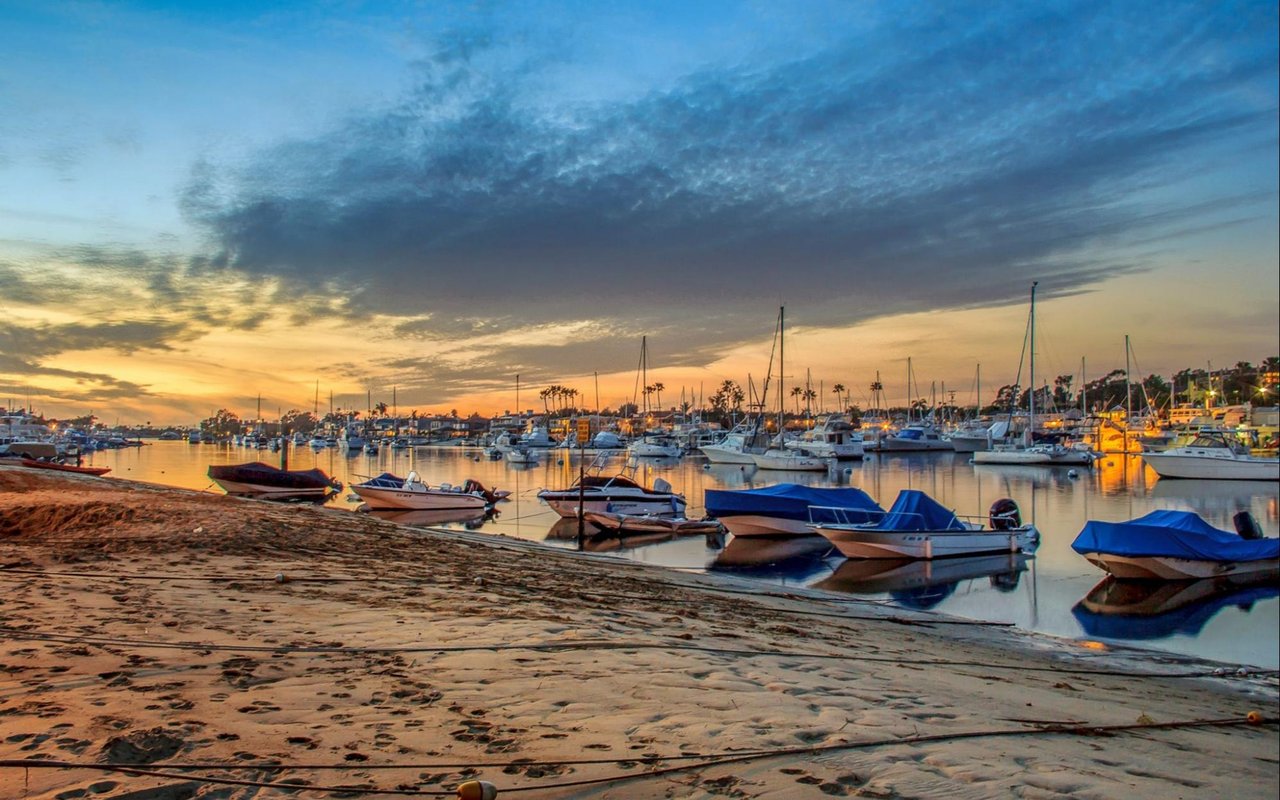
If you spend time along the Newport Coast, you already know Crystal Cove State Park as the open stretch of shoreline that anchors this part of Orange County. I point buyers toward it often, because the park shapes daily life here. In this guide I want to walk you through the beaches, tide pools, and trails that make Crystal Cove State Park worth knowing well. Whether you have a free morning or you are weighing a home nearby, here is what should be on your radar.
Key Takeaways
- Crystal Cove State Park protects 3.2 miles of beach and roughly 2,400 acres of backcountry between Corona del Mar and Laguna Beach.
- The tide pools are best at a negative low tide, and everything in them is protected.
- Trails through Moro Canyon open the park to hikers, mountain bikers, and horseback riders.
- The Historic District preserves 46 vintage cottages, with 24 restored for overnight stays.
The Beaches and Coves of Crystal Cove State Park
Crystal Cove State Park runs from Pelican Point in the north down to the Laguna Beach line, folding into a string of sandy coves separated by low bluffs and rocky reefs. The shoreline faces open water, so the surf, wind, and tide set the tone for each day. Mornings tend to be calm and clear, while the afternoon sea breeze keeps the coast cool through summer.
Below the bluffs, the sand gives way to reef in several spots, part of what earned the offshore zone status as a marine protected area covering more than 1,100 acres. That designation limits what can be taken from the water and helps keep the reef healthy for divers, snorkelers, and the tide pool life closer to shore.
Below the bluffs, the sand gives way to reef in several spots, part of what earned the offshore zone status as a marine protected area covering more than 1,100 acres. That designation limits what can be taken from the water and helps keep the reef healthy for divers, snorkelers, and the tide pool life closer to shore.
Where to Start Along the Shoreline
- Pelican Point, the northern gateway, with bluff-top parking and paved paths to the sand
- Reef Point, a favorite for wide beaches and easy access
- Los Trancos, the lot that connects to the Historic District by an underpass
- Moro, near the campground at the park's southern end
Tide Pools Worth Timing Around
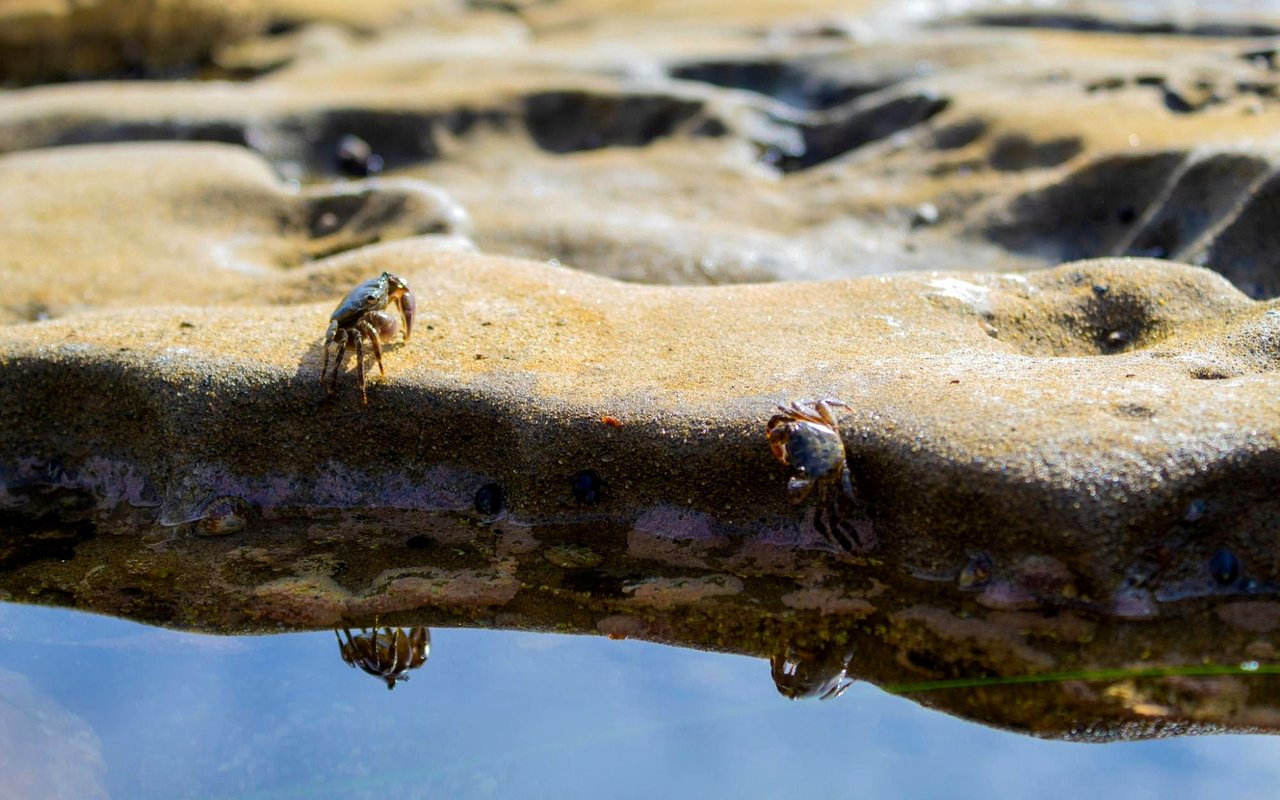
The tide pools are one of the park's signature draws, and timing is everything. They reveal themselves at low tide, and a negative low tide exposes the most. I always tell people to check a tide chart first, because at high tide many of the best pools sit under water.
When the water pulls back, you can find anemones, hermit crabs, sea stars, and small fish tucked into the rock shelves. Everything you see is protected, so the rule is to look without touching and leave shells, rocks, and living creatures where they are.
When the water pulls back, you can find anemones, hermit crabs, sea stars, and small fish tucked into the rock shelves. Everything you see is protected, so the rule is to look without touching and leave shells, rocks, and living creatures where they are.
The Best Tide Pools in the Park
- Reef Point, where wide rock shelves hold sea life at low tide
- Rocky Bight, a smaller cove with pools set against the reef
- Pelican Point, closest to the northern entrance and easy to reach
- Treasure Cove, reachable at lower tides
Trails Through Moro Canyon
Cross to the inland side of Pacific Coast Highway and the park changes character. The backcountry covers about 2,400 acres of coastal canyons, ridgelines, and open hillside, threaded by a network of trails open to hikers, mountain bikers, and horseback riders. Moro Canyon forms the green spine of this area.
Routes range from gentle canyon walks to longer ridge loops that reward the climb with wide views across the coast and out over the water. Because much of the backcountry is exposed, I suggest water, sun protection, and an early start on warm days.
Routes range from gentle canyon walks to longer ridge loops that reward the climb with wide views across the coast and out over the water. Because much of the backcountry is exposed, I suggest water, sun protection, and an early start on warm days.
Trails to Know Before You Go
- Moro Canyon, the main route along the canyon floor
- Ridgeline paths that climb to ocean and inland views
- Connector trails linking Crystal Cove to the wider El Moro area
- Primitive campsites a few miles in for those who want to stay overnight
The Historic District and Its Cottages
Tucked between Pacific Coast Highway and the surf is the Crystal Cove Historic District, a cluster of cottages that grew up as a seaside colony between the 1920s and 1940s. Listed on the National Register of Historic Places, the district preserves 46 cottages in all.
Through an ongoing restoration led by the Crystal Cove Conservancy, 24 cottages are now open to the public as overnight lodging. Even if you are not staying the night, the district is worth a slow walk to see how this coast looked generations ago.
Through an ongoing restoration led by the Crystal Cove Conservancy, 24 cottages are now open to the public as overnight lodging. Even if you are not staying the night, the district is worth a slow walk to see how this coast looked generations ago.
What You Will Find in the Historic District
- The Beachcomber Cafe, serving breakfast, lunch, and dinner right on the sand
- The Bootlegger Bar, for a cocktail by the water
- Restored porches and boardwalks along the shoreline
- Overnight cottages that book months ahead, so plan early
Living Near Crystal Cove State Park
Part of what makes the surrounding communities so sought after is this park at their doorstep. The Newport Coast enclaves of Crystal Cove and Pelican Hill sit just above the shoreline, pairing guard-gated privacy with immediate access to the beach, trails, and tide pools.
Buyers drawn to this area are often looking for that balance of protected open space and refined coastal living, and homes here trade at a premium that reflects it. Understanding how a landmark like Crystal Cove State Park shapes value is part of what I help clients think through.
Buyers drawn to this area are often looking for that balance of protected open space and refined coastal living, and homes here trade at a premium that reflects it. Understanding how a landmark like Crystal Cove State Park shapes value is part of what I help clients think through.
Communities Closest to the Park
- Crystal Cove, the guard-gated community set above the state park
- Pelican Hill, known for its resort and golf setting
- Corona del Mar, the village to the north
- Laguna Beach, the arts-driven town to the south
Frequently Asked Questions
Is there an entrance fee for Crystal Cove State Park?
The day-use parking lots at Pelican Point, Reef Point, Los Trancos, and Moro charge a fee, and they fill on weekends and holidays. I tell clients to arrive early if they want a spot near the sand.
When is the best time to see the tide pools?
Plan your visit around low tide, and ideally a negative low tide, when the most rock shelves are exposed. A tide chart will show you the windows for any given day.
Can you stay overnight at the park?
Yes. The Moro Campground has tent and RV sites, there are primitive campsites a few miles inland by trail, and 24 restored cottages in the Historic District are available through the Crystal Cove Conservancy.
Reach Out to Jacqueline Thompson Today
If Crystal Cove State Park is the kind of place you want at your doorstep, I would love to help you find a home along the Newport Coast. I know these communities well and can walk you through what it takes to buy where open space and coastline carry real value.
When you are ready, reach out to me, Jacqueline Thompson, and let me put my knowledge of the Orange County coast to work.
When you are ready, reach out to me, Jacqueline Thompson, and let me put my knowledge of the Orange County coast to work.